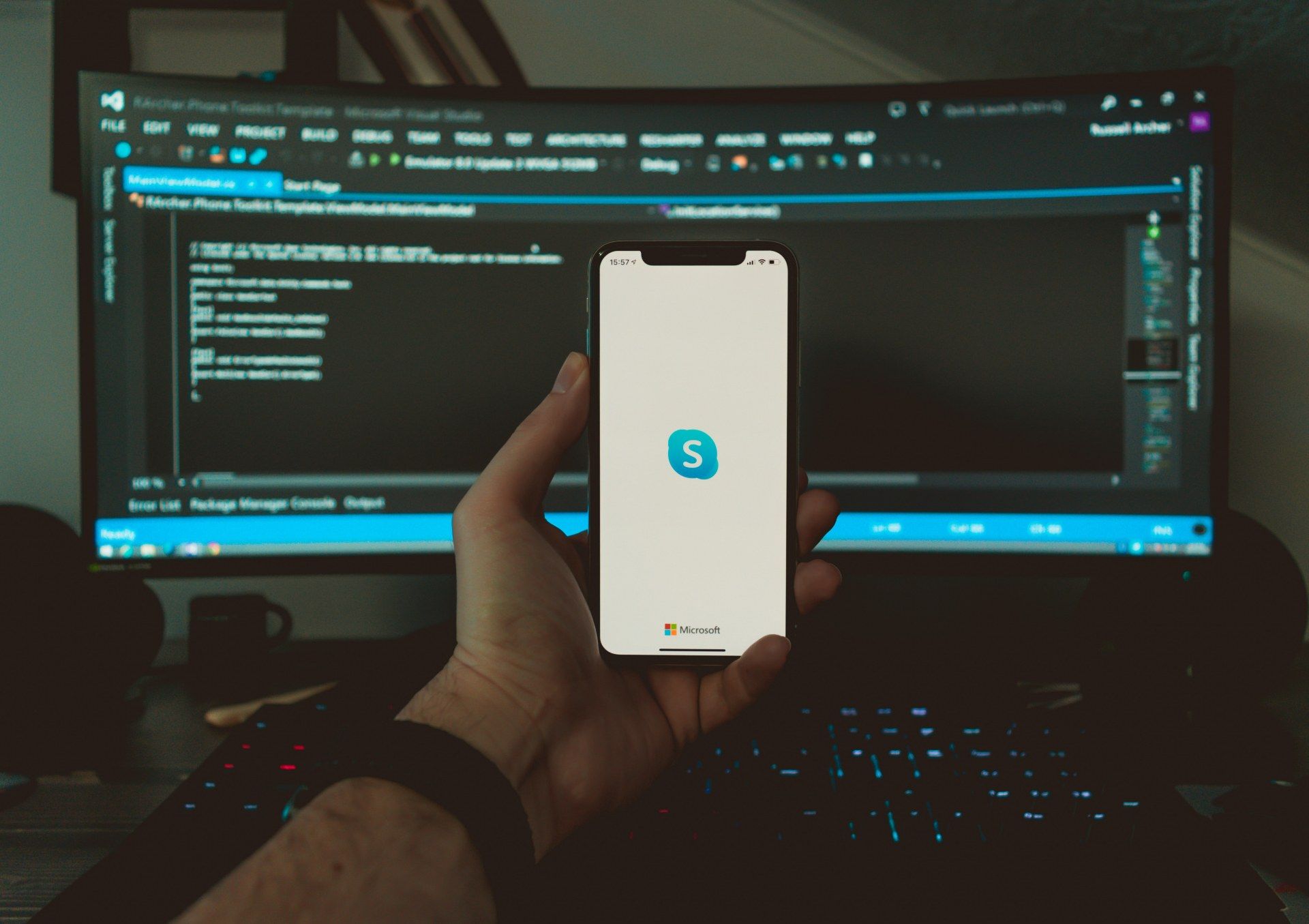
Telework Challenge 3: VPN Software
What a mess, those VPN clients!
The classic solution IT departments often come up with is to choose a newer and better technology. However, this often creates a lot of confusion as some people continue using the 'old' VPN. Additionally, you might have external employees who now suddenly need to have your VPN on their company laptop.
The quality of the VPN fluctuates depending on both your central office connection and the home user connections. Fortunately, today VPN is no longer needed for every user. Many modern applications like Microsoft 365, Google Docs, Teams, and many others are accessible without a VPN. However, many companies still have essential internal applications that are only accessible via VPN.
Solution 3: Provide a solid foundation
The only real solution here is to build a strong organizational foundation and ensure a quality follow-up of the VPN connections and all types of external users. This means having a clear strategy for VPN use and ensuring that all employees, whether working externally or internally, are aligned in terms of technology.
Telework Challenge 4: Security
Until recently, all users worked behind a central gateway at the office. Every website that was accessed was first scanned for viruses and other threats. Everything was centrally managed with strong security measures in place to protect company data. Now, from home, all these security measures need to be managed remotely.
Employees surf the web using their own internet connections, which are often outside of the organization’s control. There is little or no control over the websites employees click on, and often other unmonitored devices are connected to the same network, such as laptops of partners or children. A wrong click can lead to an infection of your network, which can spread quickly. This makes the employee's home network an easy target for hackers.
Extra: Were there more cyberattacks in 2020?
Yes, absolutely! During the lockdown, everyone had more free time, and hackers actively sought out new opportunities. Moreover, employee devices are easier targets than company devices, as they often lack proper security measures. Phishing attacks, in particular, saw a sharp increase since the outbreak of COVID-19, with attackers taking advantage of the vulnerability of isolated remote workers.
DDoS (Distributed Denial of Service) attacks also became more common. Companies that relied solely on their online shop as their income source were often quicker to pay ransom when they had no other options. Additionally, many companies had to quickly transition to fully remote work after closing physical stores, which led to some websites and internal processes not being set up securely, making them easier targets for hackers.