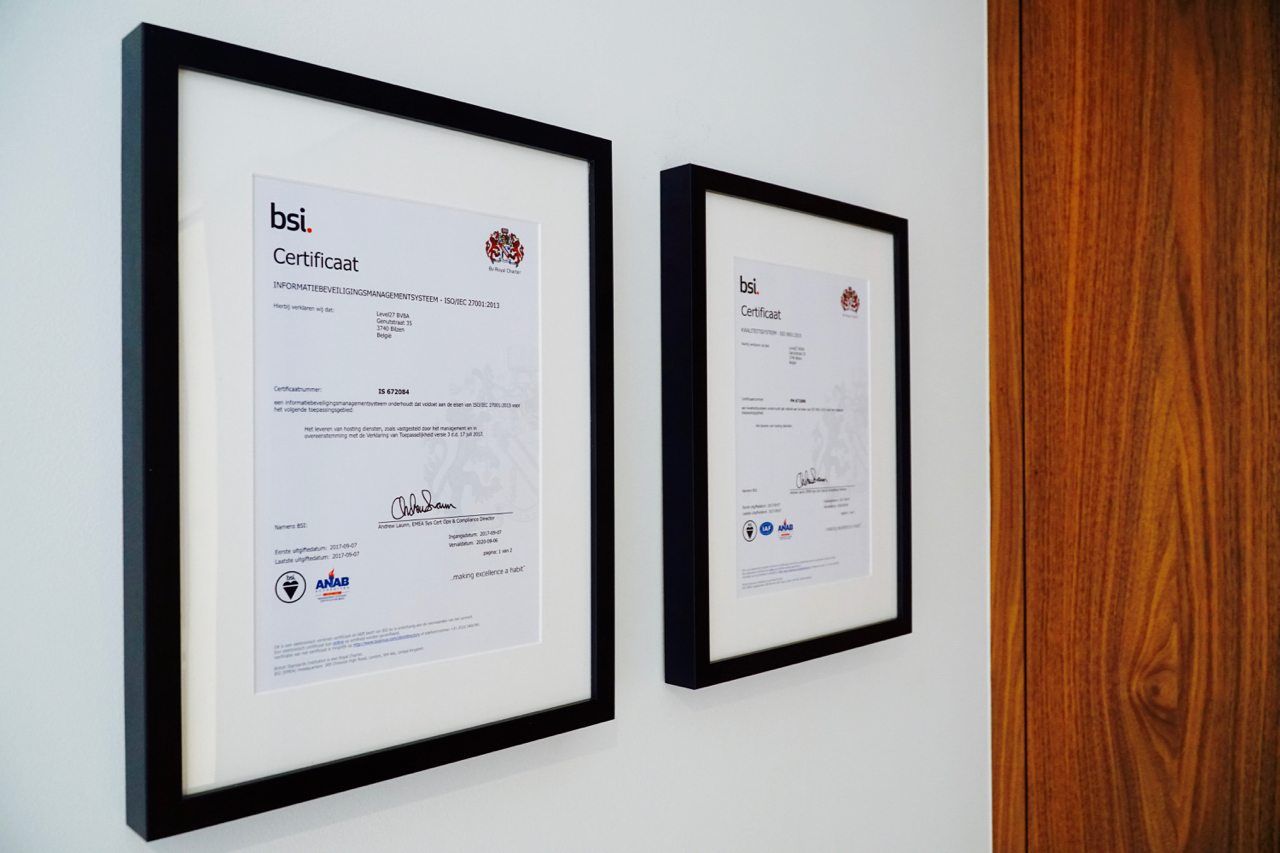

Excuse 1: getting an ISO certificate only means a manual in the cupboard
Or the paper tiger in the cupboard that no one ever opens. A valid reason indeed: very often, getting an ISO certificate is imposed from above “because it must be done.” This then results in a “document.” And what happens with documents? Exactly, in the cupboard. Or in today’s digital world: an electronic document that virtually gathers dust but is never read.
If you want to get an ISO certificate because you have to, then indeed, just don’t start. If you want to get an ISO certificate because you truly want to improve your organization, then start right now :)
Excuse 2: All rules
The second excuse is that you will introduce a bunch of new rules, which will only make everything more difficult.
It’s true that in certain areas you have to work differently, but that doesn’t mean you have to invent lots of new rules. Possibly different rules, but not necessarily more. ISO tells you what to do, but not how to do it!
Don’t need rules within your company? Read excuse 3!
Excuus 3: ISO doesn’t fit our company culture
Yes, it’s 2017 and the world is in full (digital) transformation. Our disruptive startup works agile and flexible and doesn’t need too many rules.
Bullshit. If you want to ensure a professional service, you need rules and processes. Flexible is not the same as chaotic. Rules and processes provide a reference framework for your employees and result in an optimal customer experience.
That doesn’t mean these rules and processes should never change :) An agile organization constantly adjusts these rules.
Excuse 4: getting an ISO certificate costs time and money
That’s true.
Excuse 5: ISO 9001 is not suitable for small companies
This may also relate to excuse 4. Small companies often shy away from the time and cost of ISO certification.
If you want to remain small, then you shouldn’t bother with this. In other cases, it can actually be a lever for growth.